Gastronomy Icons Review
First Impressions: A Minimalist Approach to Culinary Design
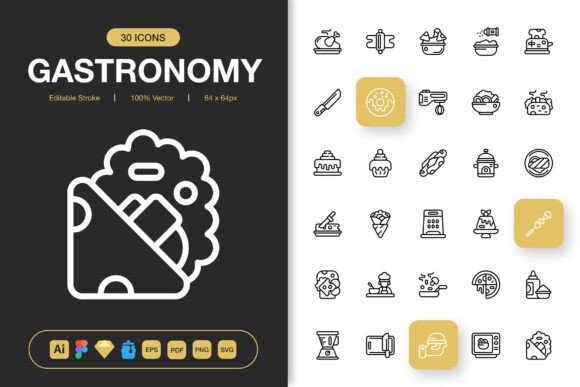
When I first opened the Gastronomy Icons set, I was struck by the clean, modern aesthetic. The design language is simple yet intentional, with each icon clearly representing its culinary theme—whether it's a knife, fork, wine glass, or chef’s hat. The minimalism makes it versatile, allowing it to blend seamlessly into a wide range of projects without overwhelming the overall look.
The layout of the icons is well-organized, making it easy to navigate through the set. Each design has a consistent scale and proportion, which is essential for maintaining visual harmony in any embroidery project. The level of detail is just right—enough to be recognizable but not so intricate that it becomes difficult to stitch out on fabric.
This set feels like it was created with both functionality and style in mind. It’s perfect for anyone looking to add a touch of sophistication to their handmade products, digital assets, or commercial designs.
Real-World Use: Embroidery Projects That Benefit from Gastronomy Icons
Imagine you're working on a custom embroidered tote bag for a local café. The Gastronomy Icons set would be an excellent choice for adding subtle, elegant touches that reflect the brand’s identity. Whether it’s a simple fork and knife near the bottom of the bag or a wine glass on the side, these icons can elevate the design without being too flashy.
For a baby item, such as a onesie or a burp cloth, the icons can be used to create a playful yet refined look. A tiny chef’s hat or a spoon could make a sweet, personalized gift that parents will love. The minimalist approach ensures that the design remains gentle and suitable for young children.
In a craft business setting, Gastronomy Icons could be used for aprons, kitchen towels, or even holiday gifts. The versatility of the set means it can be adapted to different fabrics, colors, and project types, making it a valuable addition to any designer’s toolkit.
Performance in Machine Embroidery: What to Expect
Using Gastronomy Icons in machine embroidery requires attention to detail. The design files are likely compatible with most embroidery machines, but it’s always wise to check the file formats and hoop size requirements before starting. The stitch density is moderate, which means it should work well on a variety of fabrics without causing puckering or distortion.
For custom apparel like t-shirts or sweatshirts, the icons will hold up well, especially if you use the right stabilizer and thread colors that contrast with the fabric. However, on thin or stretchy materials, you may need to adjust the hoop size or use additional stabilizers to ensure the design stays in place during stitching.
Embroidered patches made with Gastronomy Icons can be a great way to add branding to bags, jackets, or hats. The clean lines make them ideal for applique designs, where precision is key. Just be sure to test the design on scrap fabric first to see how it looks when stitched out.
Where to Be Cautious: Limitations and Considerations
While Gastronomy Icons are generally easy to work with, there are a few areas where caution is needed. On small hoop sizes, some of the finer details might get lost, so it’s best to avoid using the most intricate icons in tight spaces. Similarly, on textured or dark fabrics, the design may not show up as clearly as it would on a lighter, smoother material.
If you’re planning to use the icons on curved surfaces like caps or hoods, you’ll want to make sure the design is properly adjusted for those shapes. Tiny lettering or detailed corners may not translate well to rounded edges, so consider simplifying the design if necessary.
For projects that require frequent washing, such as baby clothes or dishcloths, it’s important to choose the right thread colors and stabilizers to ensure the design remains intact over time. Always test the finished product in a mockup before committing to a large batch.
Impact on Visual Appeal and Customer Perception
When used correctly, Gastronomy Icons can significantly enhance the visual appeal of any embroidered product. Their clean, modern look adds a professional touch that customers will appreciate. Whether it’s a handmade gift or a commercial item, the icons contribute to a sense of quality and craftsmanship.
From a customer perspective, seeing these icons on a product can increase trust and recognition. They signal that the item was thoughtfully designed and made with care. This is especially important for Etsy sellers or small shop owners who rely on visual presentation to attract buyers.
For creative entrepreneurs, the ability to use Gastronomy Icons across multiple platforms—such as printable mockups, digital product previews, or social media graphics—makes them a valuable asset. They help maintain brand consistency while offering flexibility in application.
Practical Tips for Embroidery Designers
Before jumping into a full project, I recommend testing Gastronomy Icons on scrap fabric. This allows you to see how the design looks when stitched out and whether it matches your expectations. Pay close attention to the thread color contrast and stitch density, as these factors can greatly affect the final result.
Also, take the time to review the design in black and white mockups. This helps you assess how the icons will appear on different fabric backgrounds. If you’re using them on dark fabrics, consider adjusting the thread colors to ensure visibility.
Finally, always confirm the licensing terms before using the design for commercial purposes. Some embroidery files may have restrictions on resale or modification, so it’s important to understand what you’re allowed to do with the icons.
Final Thoughts: A Versatile Addition to Any Designer’s Toolkit
Gastronomy Icons offer a fresh, modern approach to culinary-themed embroidery. Their minimalist design makes them adaptable to a wide range of projects, from custom apparel to personalized gifts. With proper care and consideration, they can enhance the visual appeal and value of any handmade or commercial product.
Whether you’re an experienced embroidery designer or just starting out, this set is worth exploring. It provides a solid foundation for creating high-quality, professional-looking items that customers will love.