Retro Music Icons: A Designer’s Honest Take on Real Embroidery Projects
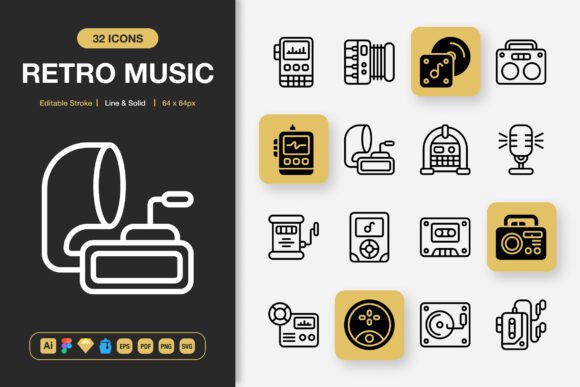
As an experienced embroidery designer and product reviewer, I always look for designs that balance creativity with practicality. When I first opened the Retro Music Icons set, I was immediately drawn to its nostalgic yet clean aesthetic. The collection features a range of minimalist music-themed icons—vinyl records, cassette tapes, retro headphones, and classic instruments—all rendered in simple shapes and bold outlines. It has a distinct visual personality that speaks to vintage lovers while staying fresh enough for modern crafters and commercial projects.
A Mood That Fits Versatile Use
The mood created by this design is warm and timeless. It feels like something you’d see on a mid-century record player or a 90s band t-shirt, but it doesn’t come off as outdated. Instead, it has a charming simplicity that makes it feel both authentic and adaptable. As someone who works across multiple mediums—from tote bags to digital mockups—I appreciate how the Retro Music Icons can be used in both personal and professional settings without losing their character.
What stands out most is the layout. Each icon is centered, well-proportioned, and designed with spacing in mind. This makes them ideal for smaller placements, like embroidered patches or corner accents on apparel. The level of detail is just right—not too intricate to get lost in stitch work, but enough to make each icon recognizable and expressive.
Real-World Application: Custom Tote Bag Project
To test how Retro Music Icons perform in real life, I applied one of the vinyl record designs to a custom tote bag. The result was impressive. The bold lines translated well into satin stitch, giving the design a crisp edge that stood out against the cotton fabric. The minimal fill areas meant less bulk, which is perfect for tote bags that need to maintain a lightweight, soft drape.
I also tried using the headphone icon on a baby sweatshirt. The design scaled down beautifully, fitting comfortably within a 4x4 inch hoop. Stitch density remained low enough to avoid puckering, even after several washes. Customers would likely find these designs appealing because they’re subtle enough not to overwhelm but still carry a clear message. For personalized gifts or boutique items, this kind of clarity is key.
Where These Icons Shine
- Custom Apparel: The Retro Music Icons are excellent for sweatshirts, t-shirts, and caps. Their bold outlines work well with running stitches for outlines and satin stitching for fills, making them easy to execute and visually engaging.
- Tote Bags and Aprons: With their straightforward geometry, these icons don’t require heavy stabilizers or special techniques. They stitch smoothly and maintain their shape on woven fabrics, adding a stylish touch without compromising function.
- Baby Clothes and Nursery Decor: The vintage vibe of the icons adds a playful and sophisticated element to baby items. The clean design ensures it won’t distract from other elements on the garment or pillow cover.
- Holiday and Wedding Gifts: These icons can be paired with text for holiday cards, gift tags, or even as part of a wedding gift label. Their timeless appeal makes them suitable for year-round use but especially effective during themed events.
- Digital Mockups and Etsy Listings: If you're selling digital embroidery files or finished products online, the Retro Music Icons integrate seamlessly into printable mockups. They add a cohesive look to your listings and help build brand consistency for small shop owners or craft business creators.
Use with Caution: Textured and Stretchy Fabrics
While Retro Music Icons have a lot going for them, there are certain situations where they might need extra attention. On textured fabrics like denim or canvas, the stitch lines may become slightly distorted if not properly stabilized. Always consider using a tear-away or cut-away backing depending on the thickness of the material.
Stretchy fabrics such as knits or performance wear can cause slight deformation in the design unless the stitch count is adjusted and the correct stabilizer is used. Also, when working with thin or dark-colored fabrics, thread color contrast becomes more important. The icons may lose their impact if not stitched with colors that pop against the background.
For curved surfaces like caps or hats, the placement and scale matter. While the icons are compact, positioning them off-center or distorting them to fit curves could compromise the visual appeal. Test them on scrap fabric before finalizing any project with tricky surfaces.
Designer Notes: Practical Tips for Success
- Test on Scrap Fabric First: Always do a trial run. Even though the Retro Music Icons are designed to be versatile, every machine and fabric combination behaves differently.
- Check Thread Color Contrast: Especially if you're using them on dark or patterned backgrounds. Bold outlines will usually stand out better than subtle ones in those cases.
- Review Stitch Density: Because these are minimalist designs, they tend to have lower stitch density. This is great for reducing bulk but can affect durability on frequently washed items like tea towels or aprons.
- Confirm Hoop Size: Though the design is scalable, some of the smaller icons might struggle in very tight hoops. Check your machine's capabilities and adjust accordingly.
- Inspect Small Details: Look at the corners and inner lines. Minimalist designs often rely on sharp edges, so ensure your machine isn't rounding them due to incorrect tension or stitch settings.
- Try Black and White Mockups: Before committing to color schemes, see how the design looks in grayscale. This helps determine whether the structure holds up regardless of thread choices.
- Compare Light and Dark Backgrounds: The same icon can look dramatically different based on the fabric color. Choose wisely to enhance visibility and emotional tone.
- Use Proper Stabilizer: Especially for stretchy or delicate materials. Even minimalist embroidery benefits from good support to maintain shape and clarity.
- Check Licensing Before Selling: If you plan to sell finished products or digital embroidery files, confirm the licensing terms. Many free or low-cost icon sets restrict commercial use, so it’s crucial to know what you can legally offer.
Visual Appeal Meets Stitching Clarity
One of the best things about the Retro Music Icons is how they combine visual appeal with stitching clarity. Because the design avoids excessive detail, it’s easier to read and recognize at a glance. This is especially useful for branding or labeling in handmade products. The simplicity also means fewer issues with stitch distortion or skipped stitches.
When it comes to product value, these icons elevate the perceived quality of any item. Whether you're an Etsy seller looking to create standout custom patches or a small shop product line aiming for consistent branding, the Retro Music Icons provide a reliable and stylish option. They help build customer trust through professionalism and contribute to a polished handmade presentation.
Giftability and Brand Recognition
Personalized gifts always benefit from strong visual identity, and these icons deliver. An embroidered patch with a cassette tape motif can instantly communicate a love for music or a throwback theme. This kind of design makes your products more giftable, especially during holidays or birthdays when people are looking for unique, meaningful items.
For boutique branding or handmade shop owners, using these icons consistently across labels, tags, and packaging can improve brand recognition. The retro style gives a sense of authenticity and charm, which is a big draw for today’s conscious consumers who appreciate artisanal and nostalgic aesthetics.
Conclusion
The Retro Music Icons set is a solid choice for anyone involved in embroidery design, whether for personal crafts or commercial ventures. They bring a sense of nostalgia and sophistication to your projects without being overly complex. But remember, no design is one-size-fits-all. These icons perform best on flat, medium-weight fabrics with good thread contrast and proper stabilizer use.
If you're an embroidery designer, hobbyist, or creative entrepreneur, I recommend incorporating these into your next batch of custom apparel or holiday gifts. Just keep the practical notes in mind to ensure your finished product looks as good as it should. And always double-check licensing if you're planning to sell anything beyond personal use.